Project: Coup De Vent by Alexis Jamet (Flip book Animation)
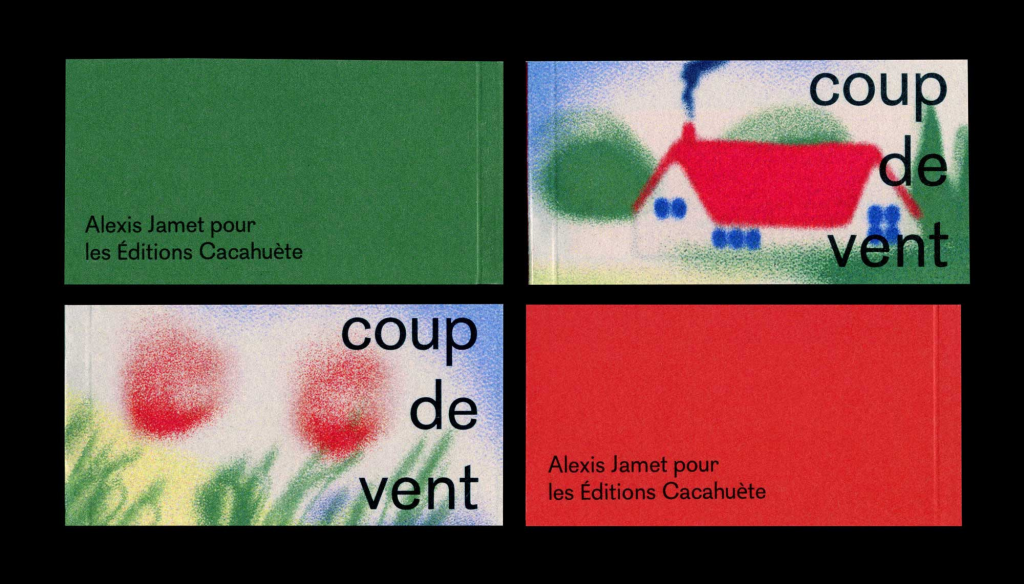
“Coup De Vent” is a project containing two flip book animations, inspired by the English landscape of Letchworth Spencer Gore documented in 1912.
Jamet, A., 2019. Coup De Vent. Illustration and graphic design. Available at: https://alecsi.com/Coup-De-Vent(Accessed: 20 January 2026).
Replicated Version
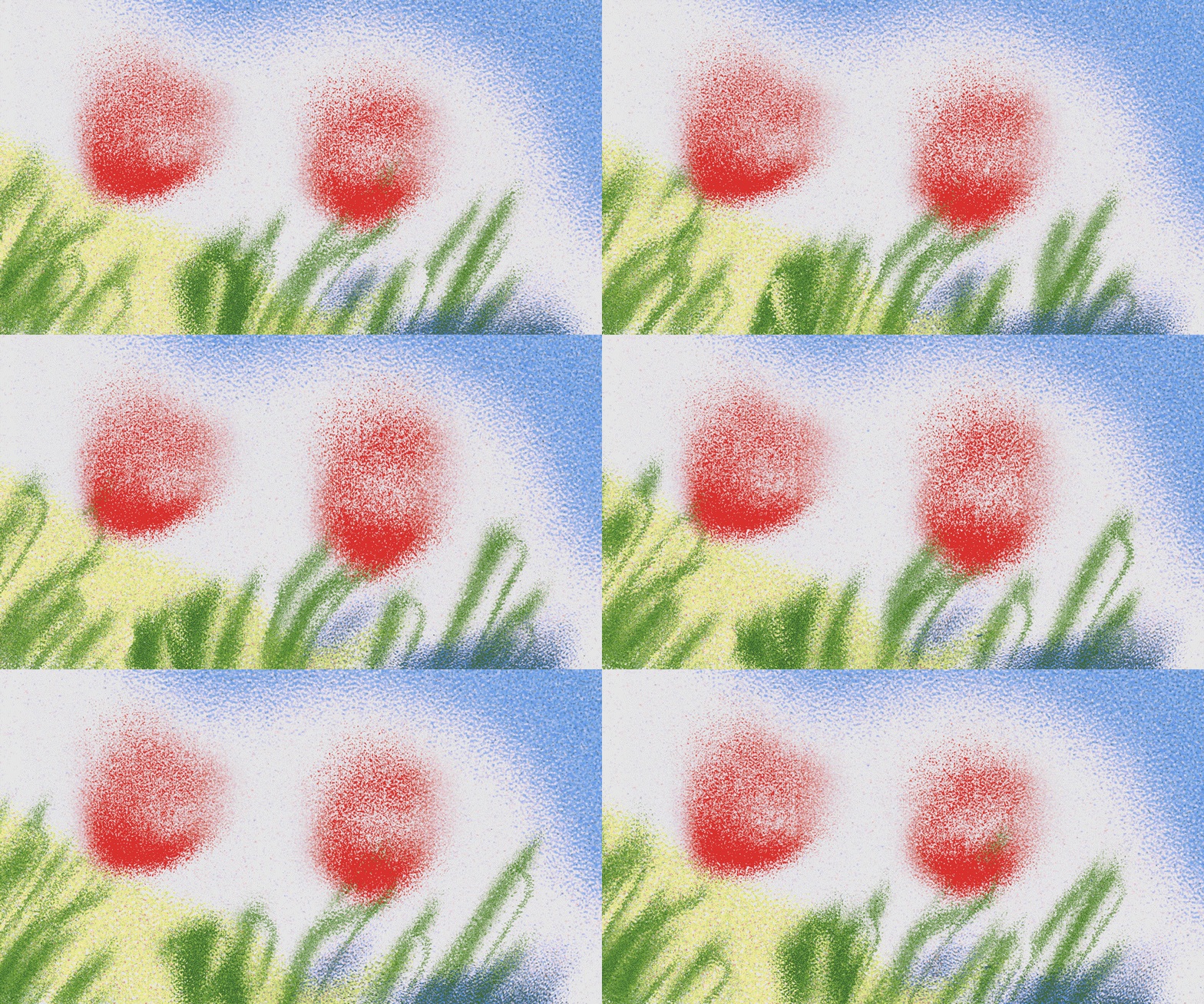
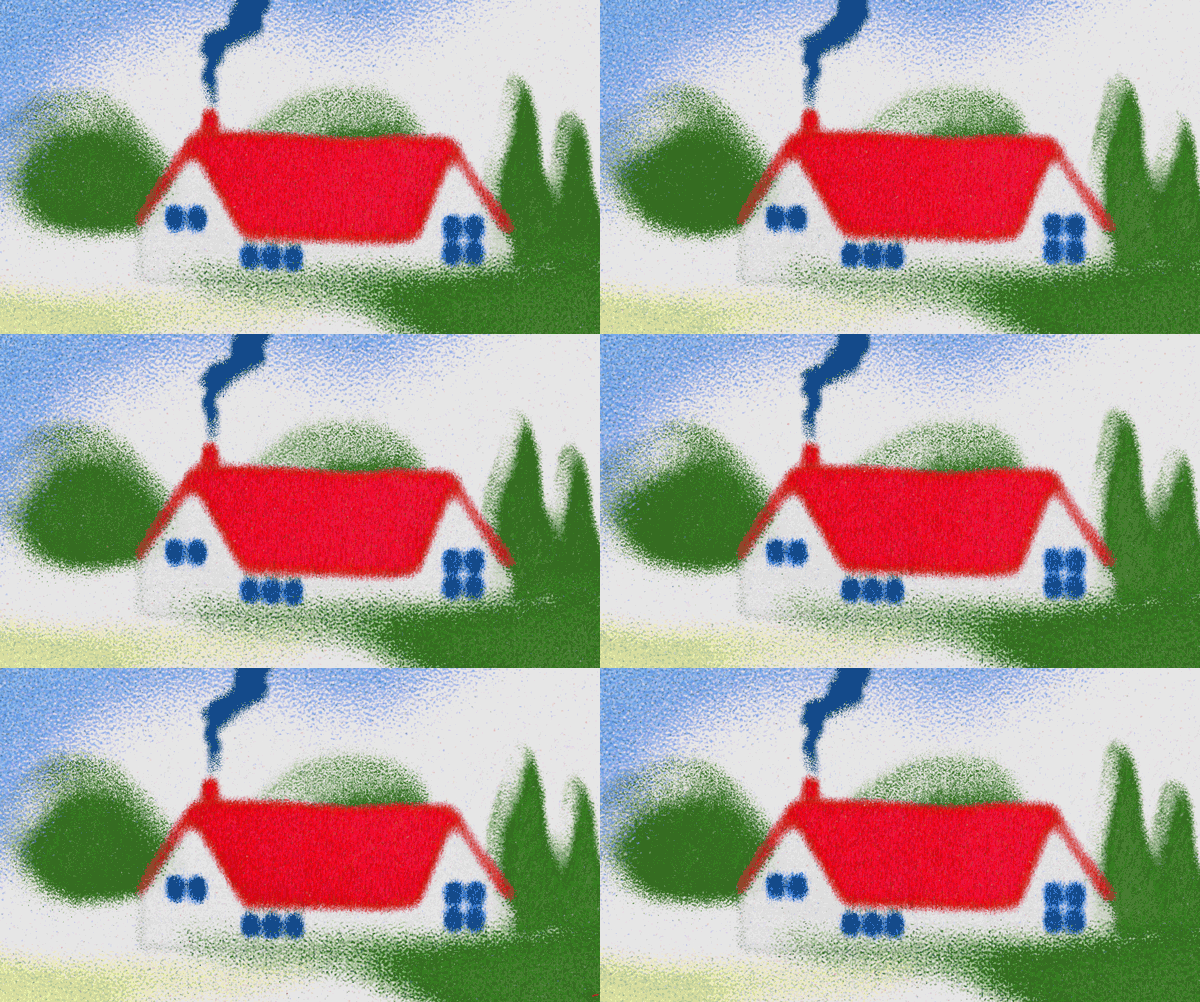
Process: Illustrations on Photoshop. 10 frames for one sequence. (Shown below are two sequences for each animation.)
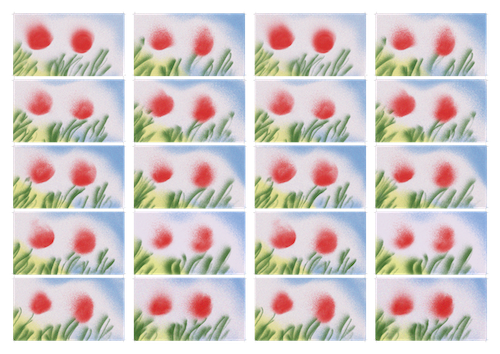
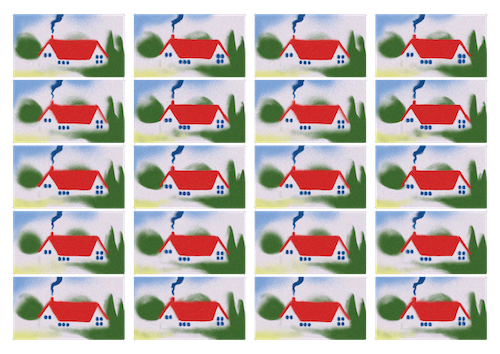
↑ Contact sheets (left: flowers; right: house) ↓ Animations in loop
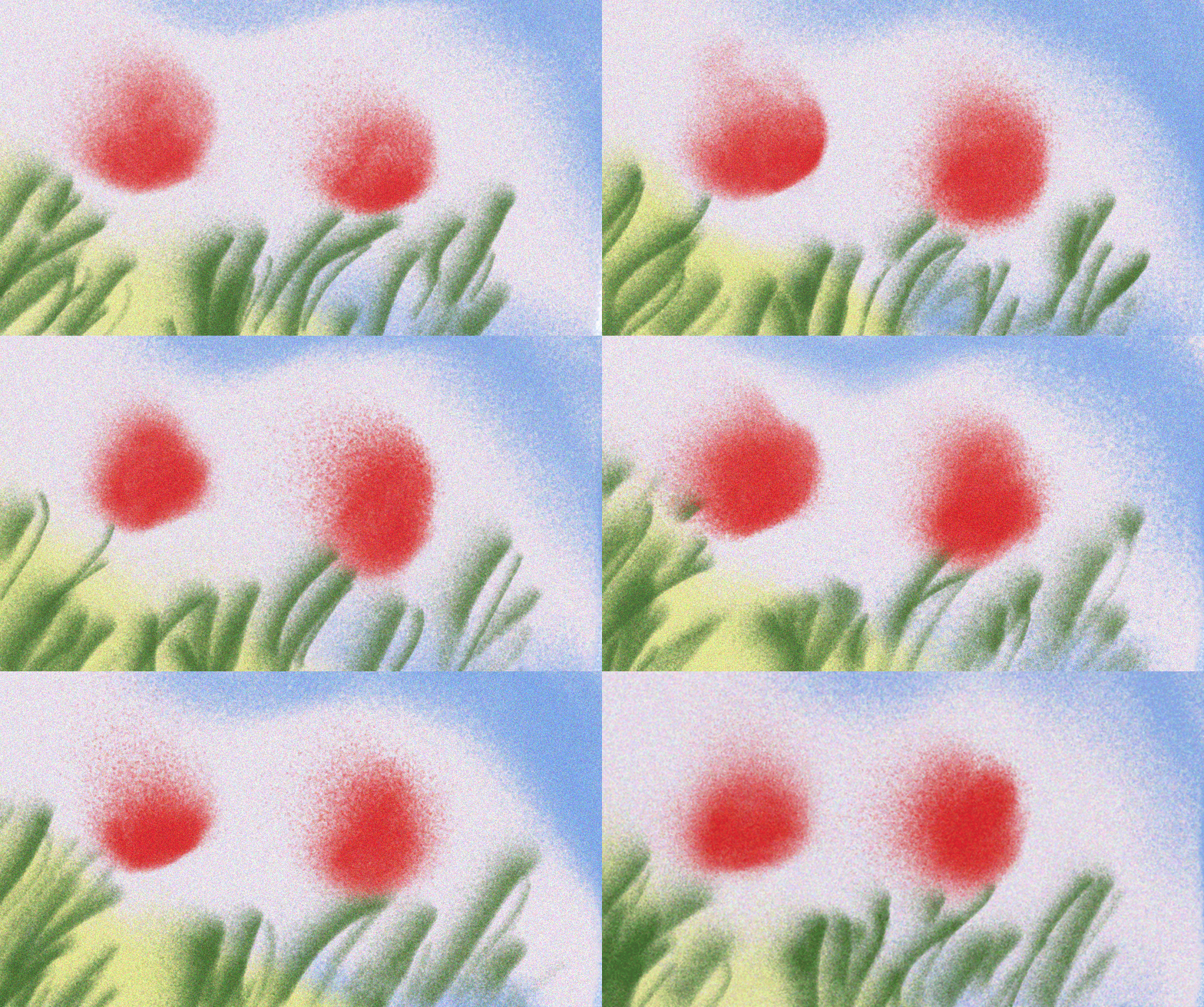
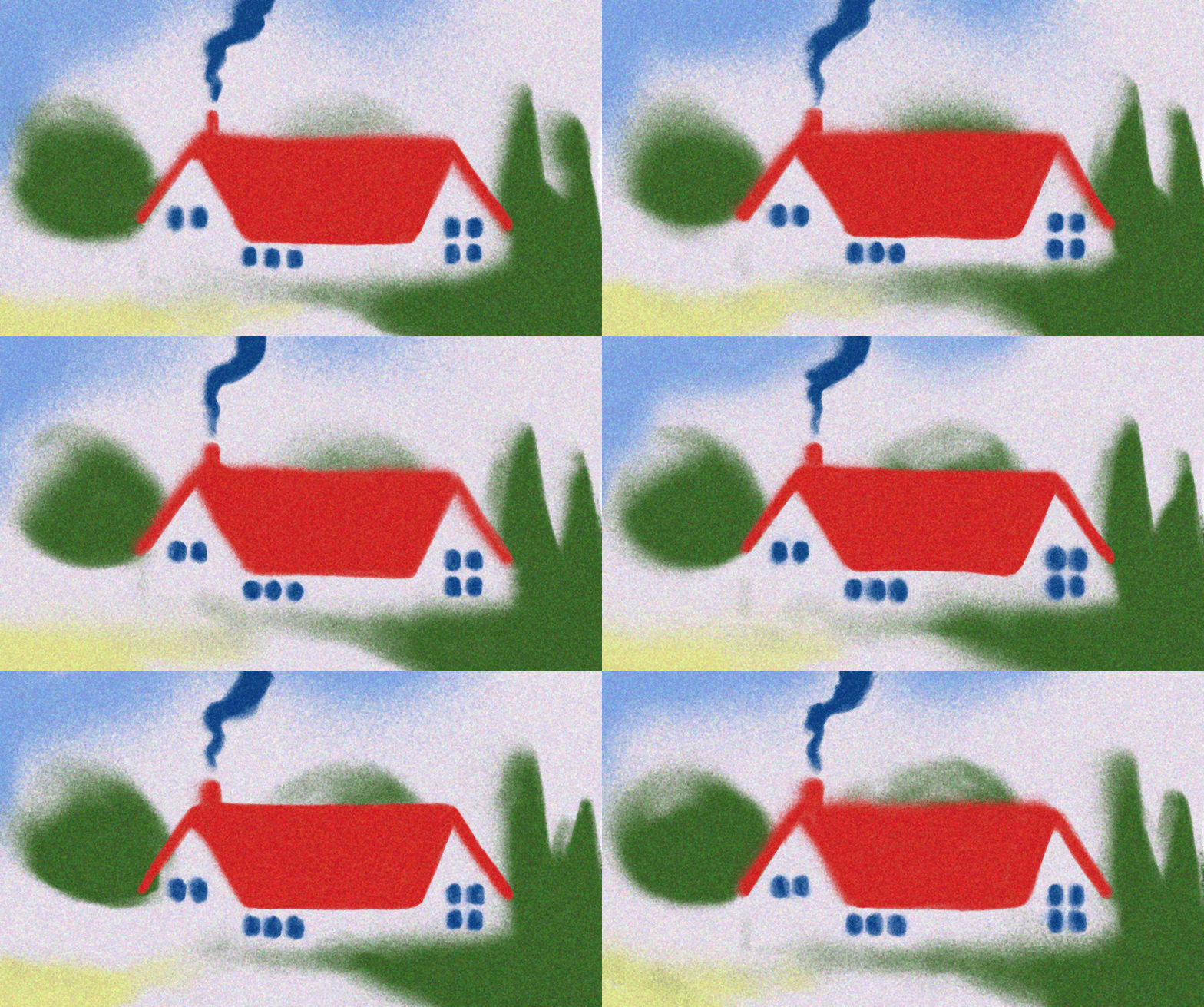
↓ Flip book
Draft One
Flip book animation is a traditional animation technique that has largely fallen out of use. The reasons for this obsolescence became apparent as I attempted the replication. The process can be divided into three stages: illustration, animation, and book production.
During the illustration stage, I observed that Jamet’s visual language relies heavily on the airbrush tool. Unlike conventional brush tools, the airbrush allows low fidelity and resists sharp definition, limiting precise control over form. This reduced control pushes the imagery toward abstraction. However, conventional animation theory prioritises clarity, legibility, and controlled motion, where subtle and precise alterations between frames accumulate movement. This raises the question: Can animation that deliberately resists precision and embraces a loss of formal control function meaningfully outside established animation frameworks that privilege visual clarity for narrative legibility? Furthermore, will audiences still be able to perceive an intended narrative when animation leans toward abstraction?
The production of the flip book itself exposes further structural restrictions. Producing a 60-page flip book required three days and cost £12, resulting in less than three seconds of animation. The medium is therefore marked by financial and ecological inefficiencies, which helps explain its replacement by software-based animation. Digital software allows for far more efficient production and reproduction, enabling animations to circulate with greater cultural and economic value through computation and digital screens. Correspondingly, this shift has influenced the audience’s viewing habits as well as their cognitive and temporal experience of animated images. This leads to a second question: How does the replacement of flip book animation by digital software reflect shifting values of time, labour, and image consumption in graphic communication?
Proposal
This project will develop an iterative experiment that progressively accentuates abstraction within animated illustrations produced using the airbrush tool. Through reduction of lines and shapes, the experiment will test whether narrative interpretation can persist as recognisable forms dissolve. The aim is to assess how far animation can depart from conventions of controlled motion and legibility before narrative meaning becomes ambiguous, altered, or unreadable. This enquiry positions graphic clarity as a variable and interrogates whether visual precision is a necessary condition for narrative comprehension.
Alongside this, the project will investigate how the material format of the flip book influences temporal perception and audience engagement. The same animated sequence will be reproduced across different scales/formats (e.g. newsprint, magazines, handbooks, or calendars), with each page corresponding to a single frame of animation. This experiment will examine how changes in size, material, and context can affect the duration, pace, and manner of audience interaction, and how they reflect broader conditions of image consumption.
Overall, the project seeks to hack the conventional function of flip book animation as a medium designed to deliver coherent and polished sequences across a condensed span of time. Instead, it proposes an alternative mode of animation that disrupts the legibility of visuals and destabilises the continuity of frames to embrace inaccuracy and inconsistency.
Week 02
Draft Two
Flip book animation is a medium that favours precision and sensitivity to process, in which a series of actions unfolds page by page through carefully illustrated sequences. Traditionally, graphics in flip book animation have been understood as predetermined variants that work together to serve a narrative outcome. But what occurs when such authorial control is constrained and visual explicitness is reduced? Through an iterative experiment that progressively accentuates visual abstraction within narratives, this project reimagines flip book animation as a medium that generates narrative, rather than merely serving it.
As Blauvelt et al. (2013) state, the value of a work lies in the method that creates it. In this project, the repetitive process of abstracting the animation reshapes the narrative contained within the work. As abstraction intensifies, narrative departs from the original authorial intention. Rather than being predetermined by authorship, narrative becomes an outcome that emerges from systematic distortions. In this context, abstraction extends beyond expressive chaos. Instead, it operates as a configuration that originates unique interpretive logic specific to each of its viewer.
The order, scale, and format in which the animated sequence is printed act as additional configurations that shape the audience’s subjective perception of the narrative. The destabilised continuity of frames and the inconsistency of visual forms directly affect the duration, pace and manner of interaction. Together, these factors reveal the influence of materiality over image consumption, and establishes a set of conditions from which the animation is encountered, processed, interpreted and absorbed over time.
By defining the style and material of the flip book animation, this project interrogates the presumption of scripted narratives in flip book animation and proposes an alternative form of the medium, one in which meaning becomes relational, and narrative is no longer guaranteed.
Reference
Blauvelt, A., Candy, L., Daanen, H., van der Velden, E. and Vinke, J. (2013) Conditional Design Workbook: A Manual for Designing with Conditions. Amsterdam: Valiz.
Week 03
Draft Three
Animation in flip book is achieved through incremental, frame-by-frame alterations activated by the rapid physical action of flipping. The speed required to sustain the illusion of movement confines audience engagement to a fleeting, ephemeral experience. Motion is attained at the cost of the viewer’s ability to pause, reflect, or linger on individual frames, enforcing a passive mode of image consumption that prioritises animation integrity over audience experience.
Through an iterative studio-based experiment, this project reexamines the structures of flip books to propose alternative viewing experiences that reintroduce subjective control over animation. The order, scale and bindings through which the animated sequence is printed act as configurable variants that directly determine the duration of the viewing experience. The inconsistent number of repeated frames and inaccessible binding disrupt frame continuity, enabling the audience to observe each frame at their own pace, thereby reclaiming authority in the process of consumption. Together, these factors establish a set of conditions through which the animation is encountered, processed, interpreted and absorbed over time.
With methods of iterating, this project reveals how material choices shape image consumption. The perceived significance of graphics within a flip book depends on the materiality of their production. By determining the materials through which graphics are produced and reproduced, graphic designers, in essence, exert dominance over patterns of image consumption. As the outcome of a set of preferential decisions, flip books are opinionated with the designer’s subjective values and authorial intent, ultimately shaping—if not governing —the audience’s perception of meanings the books convey. Therefore, as a medium of graphic communication design, flip books are in fact, inherently biased and ideologically inflected.
As Laranjo (2014) proposes, developing criticality in graphic design requires reflexivity that questions the position of designers and design works within the discipline and society. By reconfiguring the material structure of flip books, this project adopts the critical stance of Laranjo and interrogates the neutrality of flip books, exposing the power relations between designer and viewer within the system of image consumption. The printed works become self-contained objects that critique the traditions of graphic systems, the assumed roles of designers, and the normative imbalances between designers and public consumers.
Reference
Laranjo, F. (2014) ‘Critical Graphic Design: Critical of What?’, Modes of Criticism. Available at: https://modesofcriticism.org/critical-graphic-design/ (Accessed: 4 February 2026).
Outcome
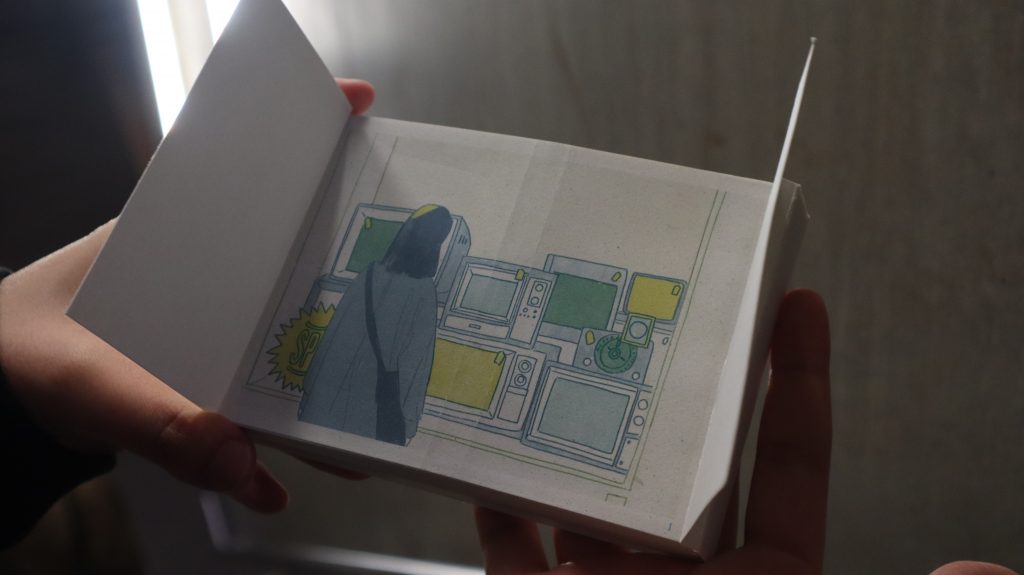
French folds
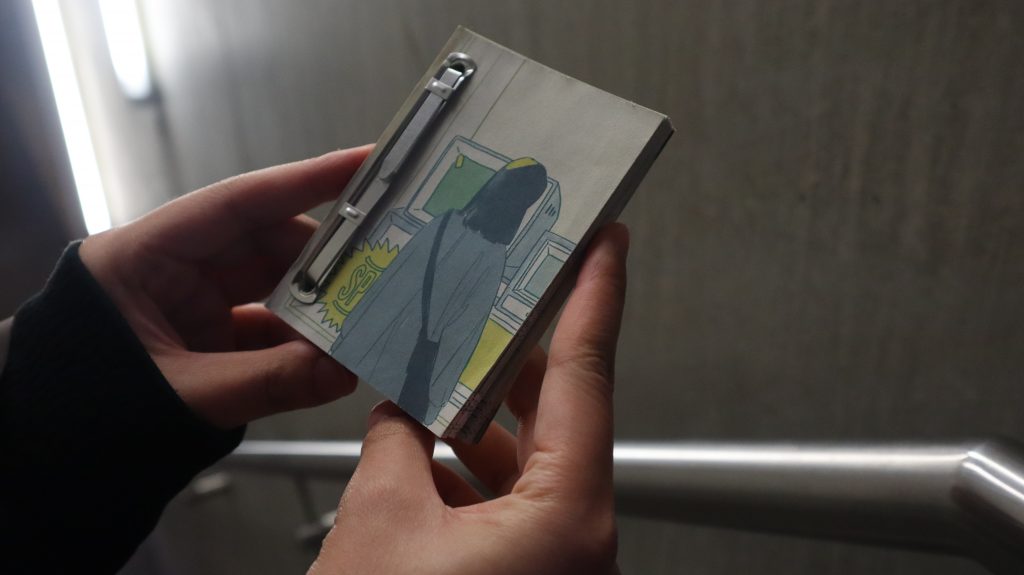
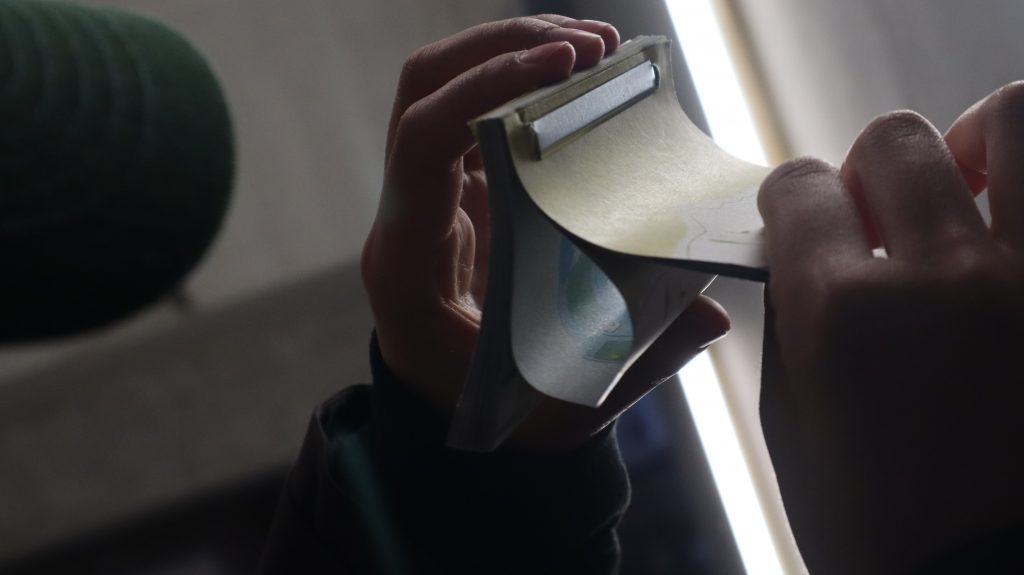
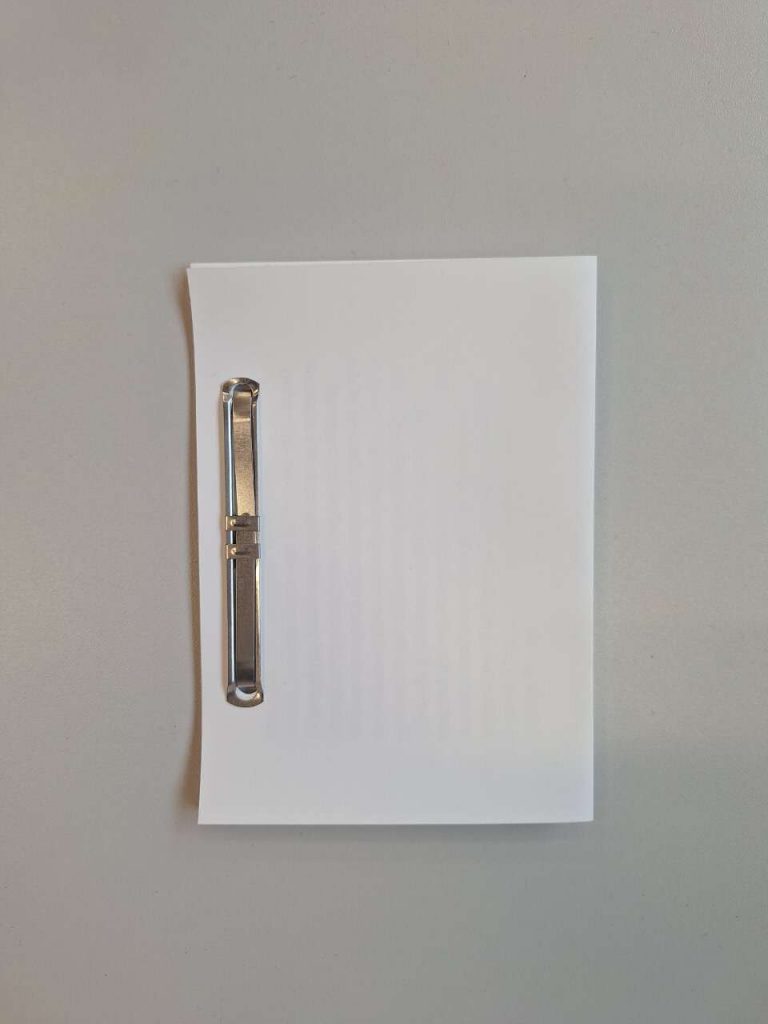
Scale binding
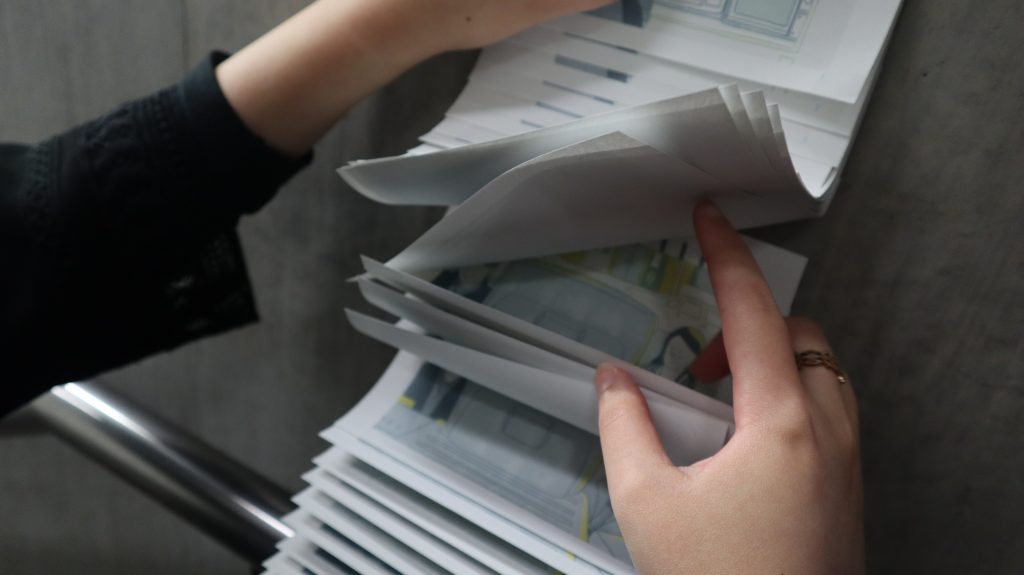
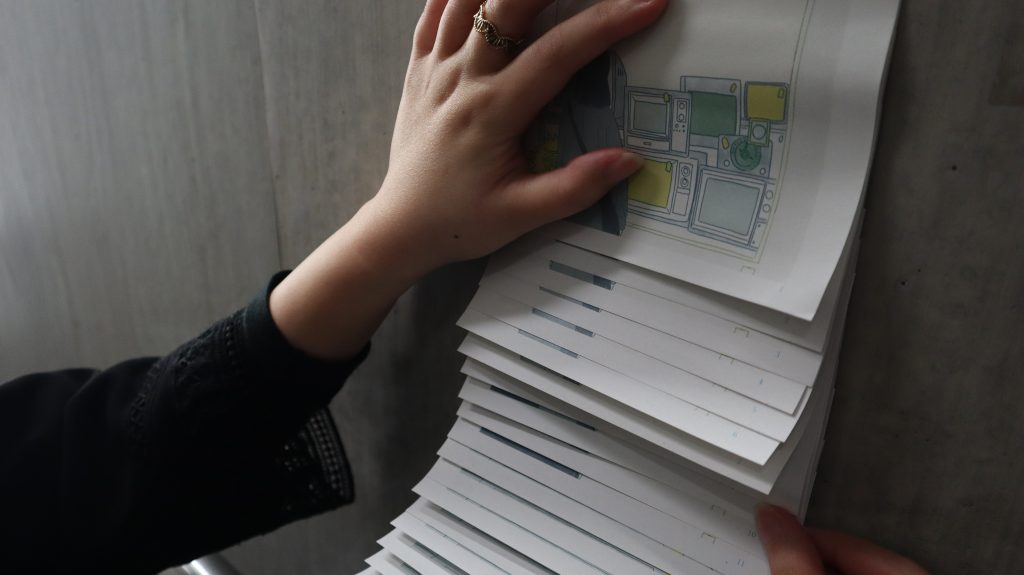
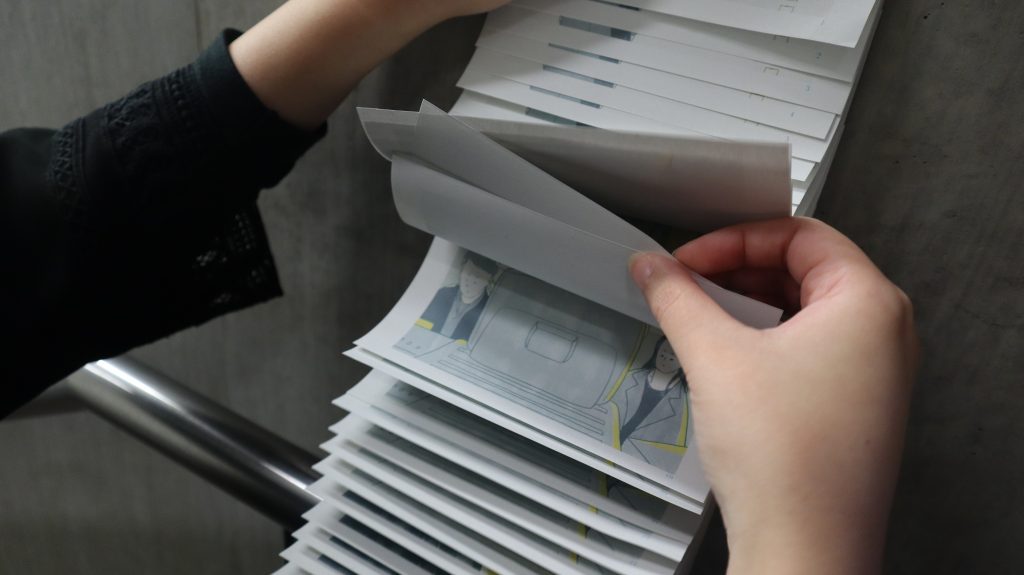
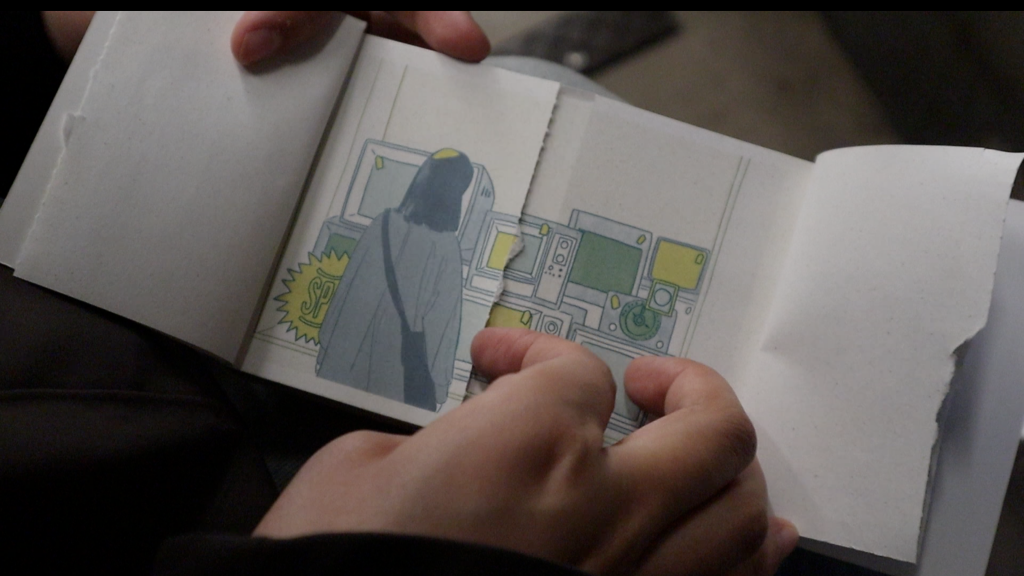
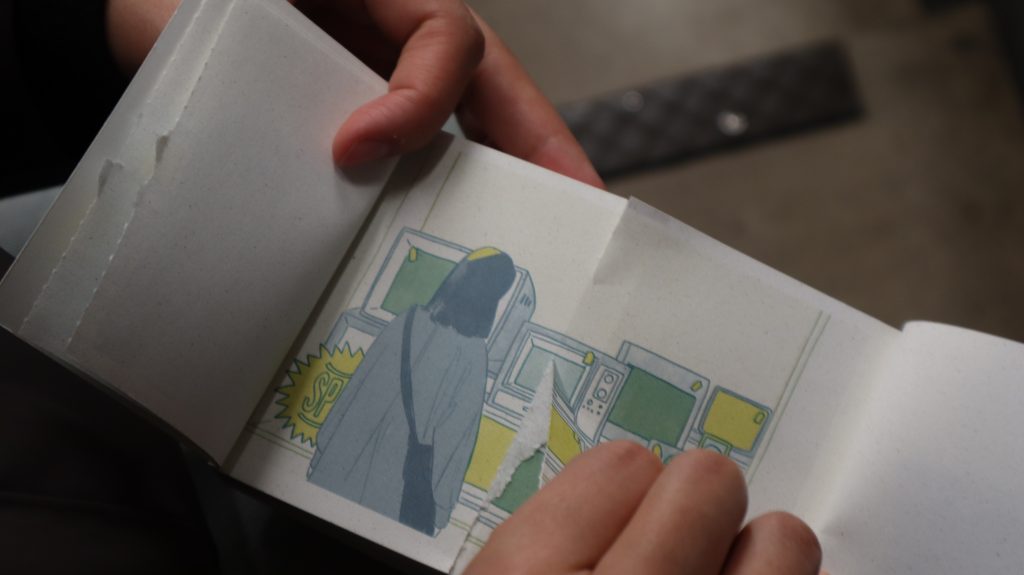
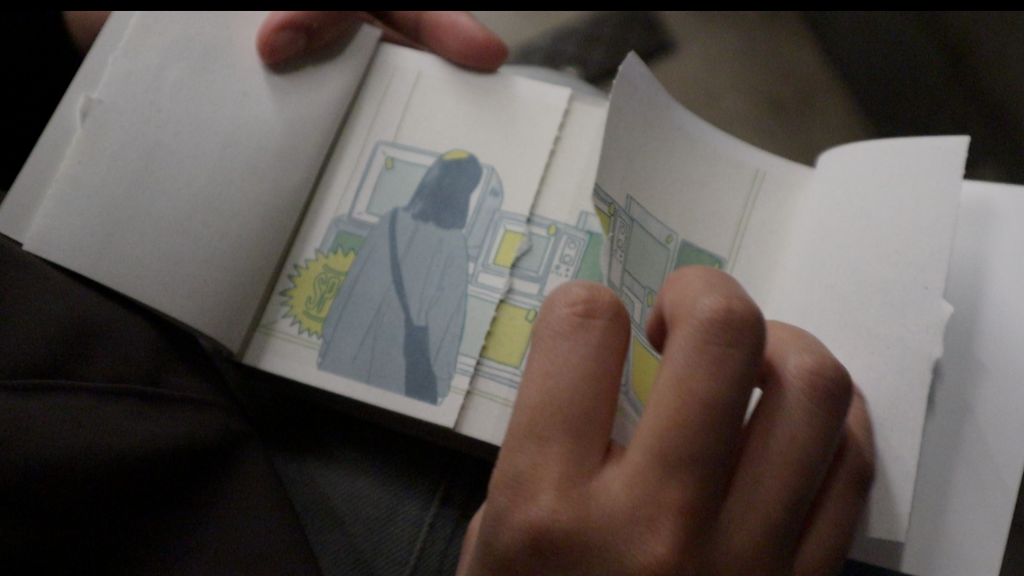
Tear-open book
Written Response
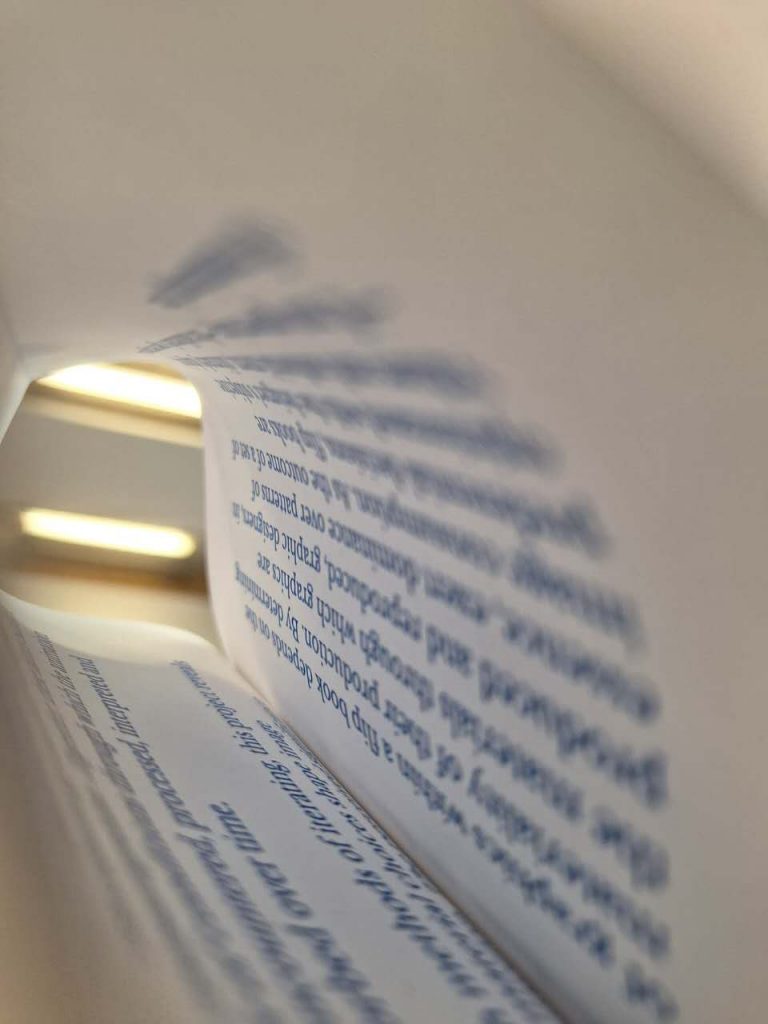
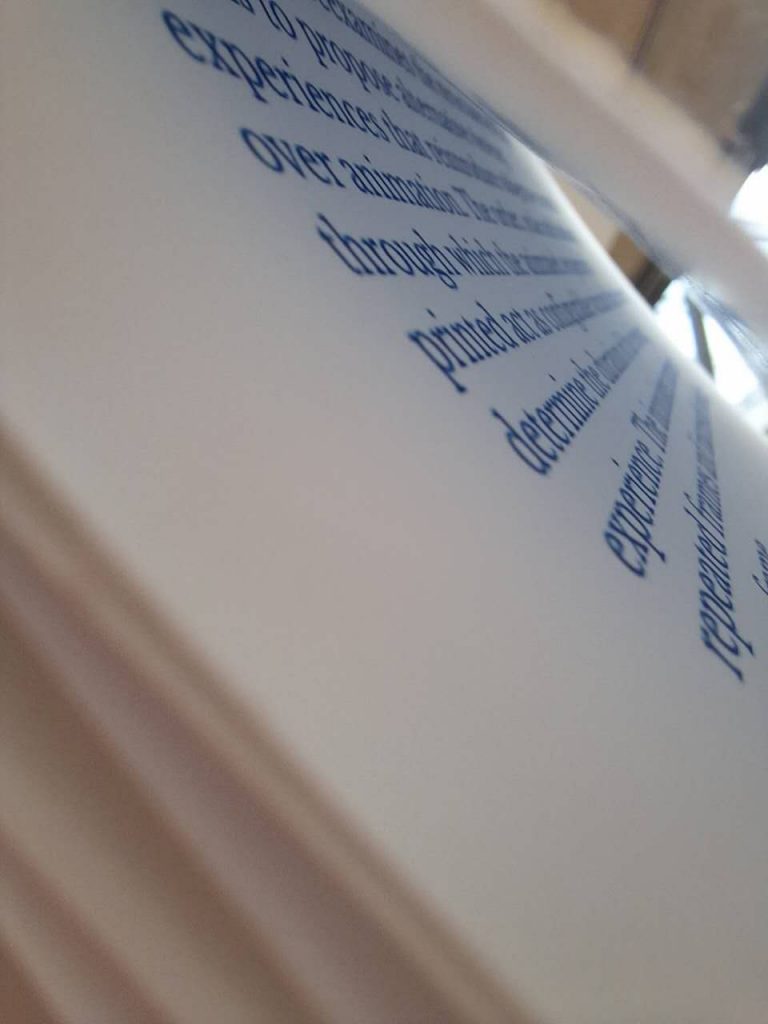
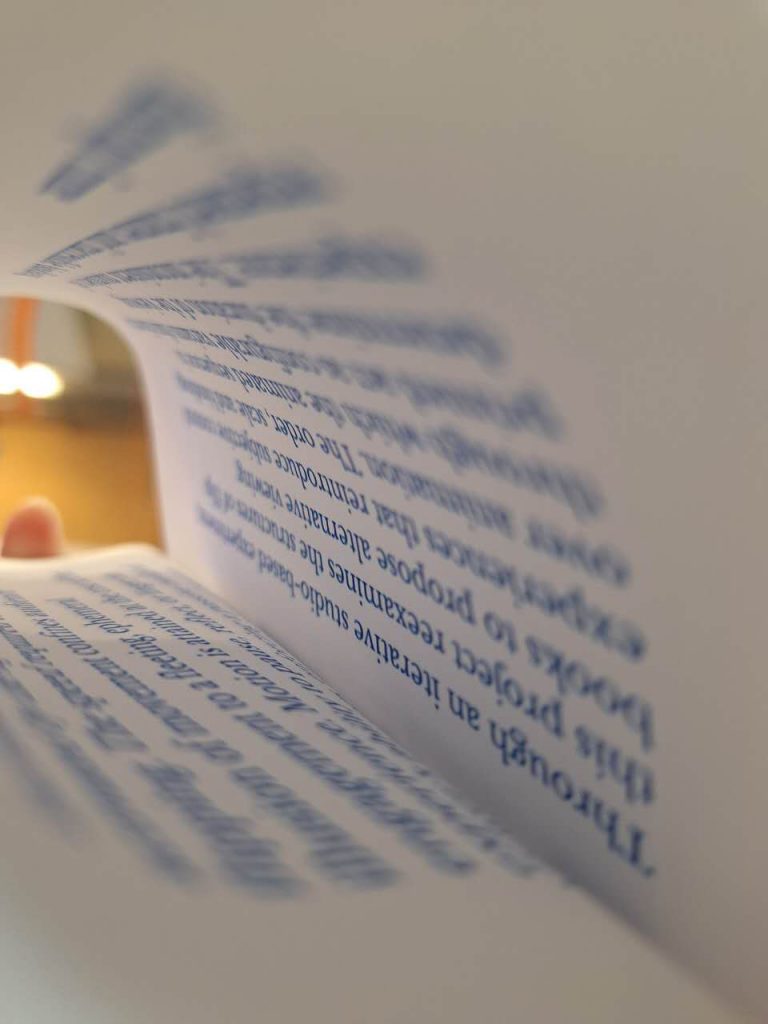
The final version of my written response is presented as a 4 paged book in french folds. Texts are printed in the inner pages. The audience is expected to “peek” into the pages to read the text.
Leave a Reply